Sealing · SLC Epoxy Flooring
Concrete Sealing in Salt Lake City, UT
Penetrating and topical sealers that keep salt brine and water out of your concrete. Get a free quote.
Salt Lake City, Holladay, Murray, Sandy, South Jordan, Herriman, Lehi, Orem and 28 more
Free Sealing Job Quote
Add the garage or shop size, the slab's age if you know it, and any cracks, stains or old coatings. Expect a callback about the floor and a time to see it.
- Free floor quotes
- Diamond-ground prep
- Moisture tested
- Solid or flake systems
Car count or rough square footage is plenty.
Concrete Sealing
Concrete Sealing in Salt Lake City, UT
Sealing is the lightest-touch protection concrete can get, and in Utah it earns its keep at the garage door. The apron just outside takes the brine that melts off cars all winter, and bare concrete drinks it in. When that water freezes inside the surface, it pops off thin flakes, the scaling you see on so many older driveways. A penetrating sealer soaks into the pores and makes them water-repellent without changing how the surface looks or feels, so water and salt bead up instead of soaking in.
There are two families of sealer, and they do different jobs. Penetrating sealers, usually silane or siloxane chemistry, live inside the concrete, stay invisible and are the usual pick for driveways, walks and aprons where traction matters. Topical sealers such as acrylics form a thin film that adds sheen and deepens color, which suits decorative patios and some garage floors, but they wear and need reapplying sooner. Either one works best on clean, dry concrete, so prep still comes first: washing, degreasing and filling cracks.
What's included
What goes into concrete sealing
- 01
Apron and driveway sealing
Penetrating sealer on the concrete that takes the most salt and meltwater.
- 02
Garage floor sealing
A sealer for garages that don't need a full coating but should still resist oil and brine.
- 03
Patio and walkway sealing
Penetrating or topical sealers matched to the finish and the look you want.
- 04
Cleaning and degreasing
Dirt, oil and old residue removed so the sealer can soak in or grip.
- 05
Crack filling
Open cracks filled before sealing so water can't sneak under the slab.
- 06
Reseal guidance
A simple water-bead check that shows when a surface is ready for another coat.
Examples
Concrete Sealing: examples of the work
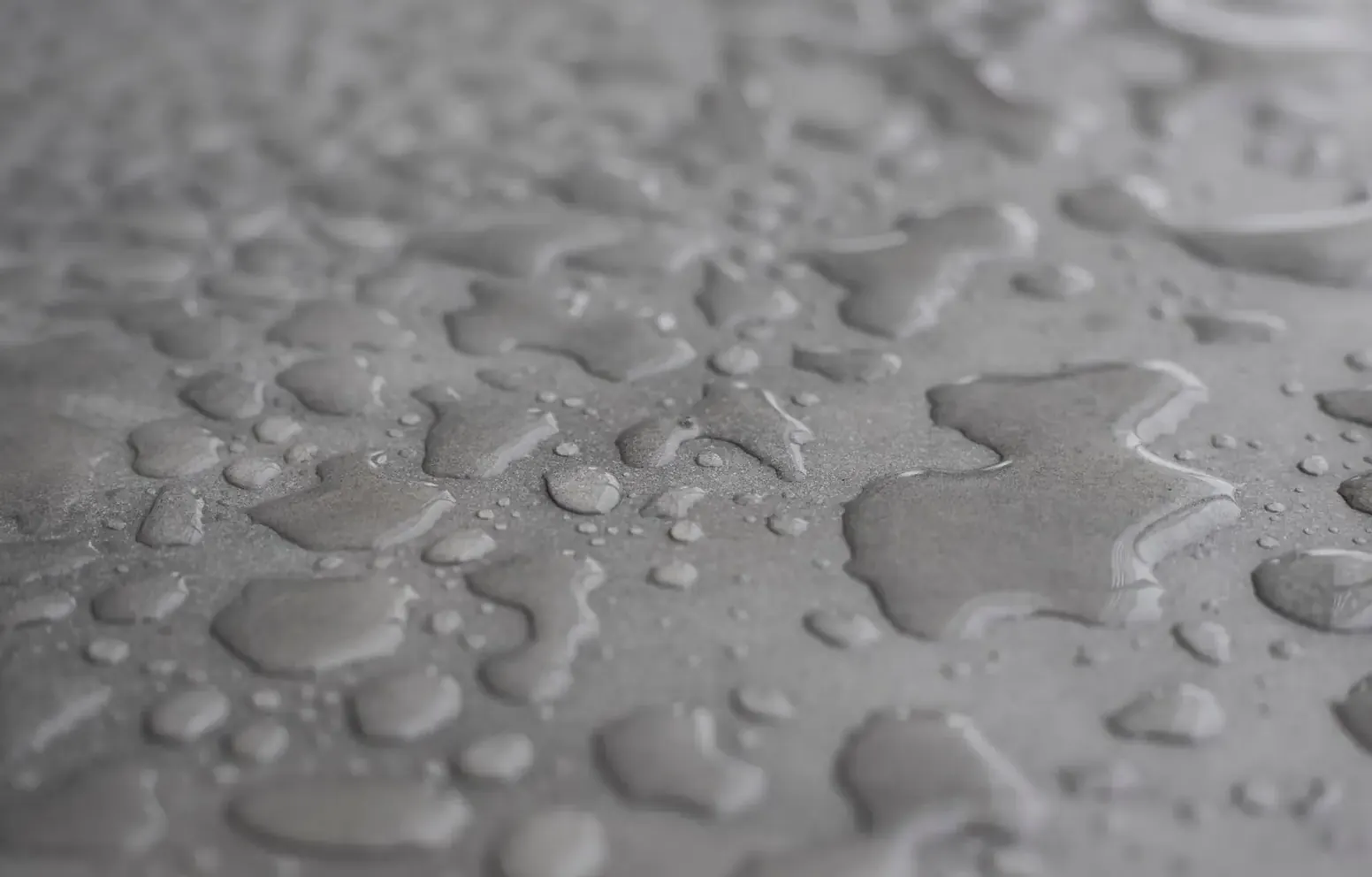
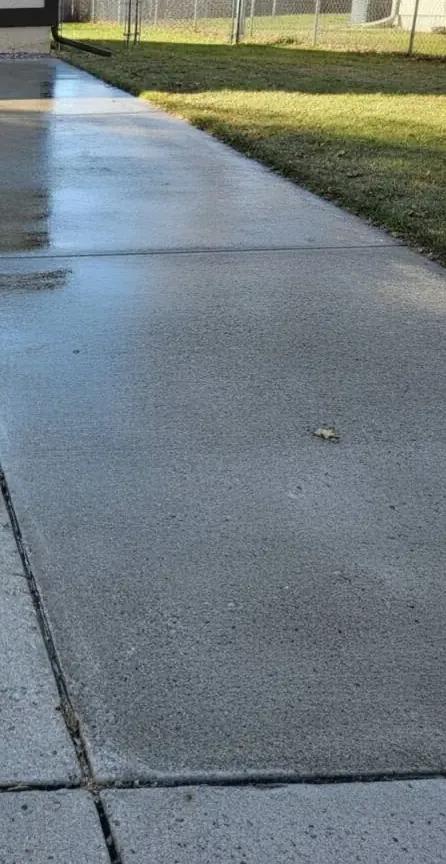
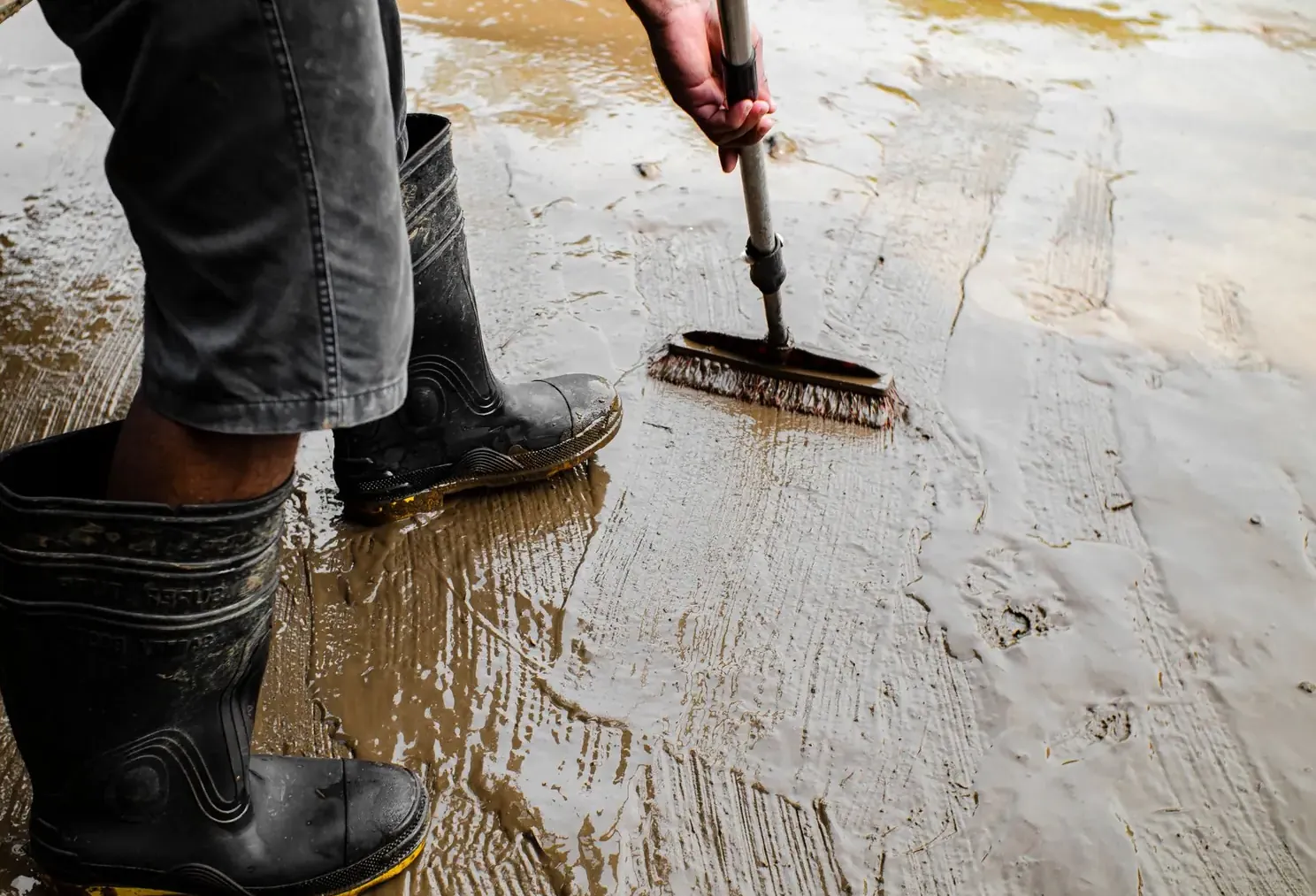
Stock photos: examples of the work type.
How it works
Concrete Sealing, step by step
- 1
Look and choose
We check the concrete's age, finish and condition, and recommend a penetrating or topical sealer.
- 2
Clean and repair
The surface is washed, degreased where needed, and cracks are filled.
- 3
Dry, then seal
Sealer goes onto dry concrete in mild weather, with even coverage and no puddling.
- 4
Cure and care
You get dry times for foot and car traffic and a rough idea of when to reseal.
Questions
Concrete Sealing questions
Does sealing really help against Utah freeze-thaw?
Yes, it is one of the best defenses for sound concrete. Most scaling happens when water and salt soak into the surface and freeze, and a penetrating sealer greatly reduces that absorption. It won't stop cracks caused by soil moving underneath.
What does concrete sealing cost?
Area, the sealer type, and how much cleaning and crack filling the concrete needs set the price. Sealing is a small job compared with repairing scaled concrete later. The quote is free.
How soon can new concrete be sealed?
Most sealers go on after the concrete has cured, typically about a month, though some are made for earlier use. Before that, the slab is still giving off water. Either way, keep de-icing salt off new concrete through its first winter.
Penetrating or topical sealer: which should I use?
Penetrating for driveways, aprons and walks, where it protects without making the surface slick or shiny. Topical acrylic for decorative patios where you want richer color and sheen, accepting that it wears and needs reapplying more often.
How often should concrete be resealed around Salt Lake?
Every few years for penetrating sealers on driveways, sooner for topical sealers in full sun, since high-altitude UV breaks films down faster. When water stops beading and starts darkening the surface, it's time.
Coatings and concrete
More from SLC Epoxy Flooring
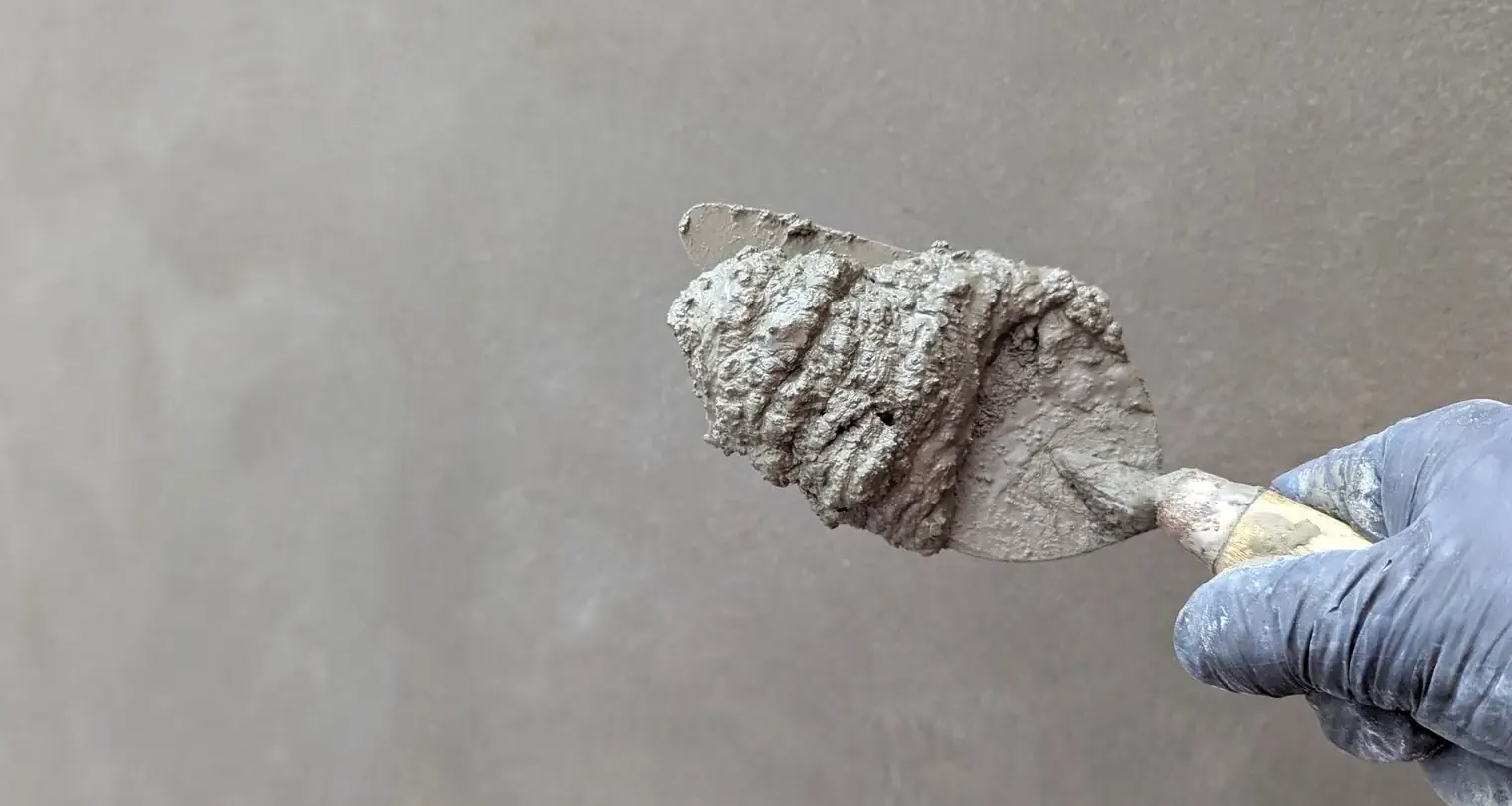
Concrete Resurfacing
Overlays that give scaled and pitted concrete a new wearing surface, inside the garage or out on the walk.
More on concrete resurfacing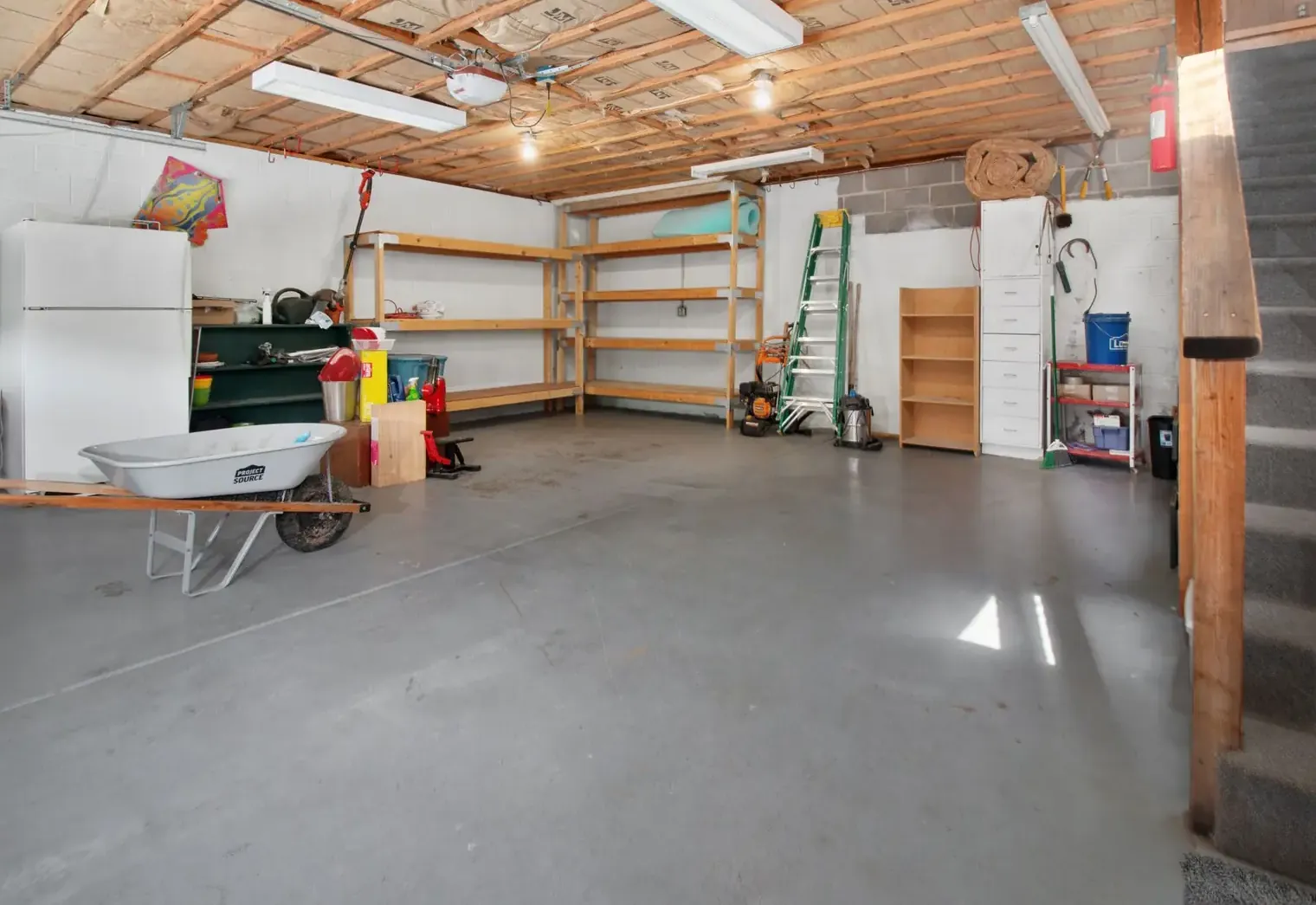
Epoxy Garage Floors
Solid-color garage coatings over a diamond-ground, crack-repaired slab, finished with a UV-stable clear topcoat.
More on epoxy garage floors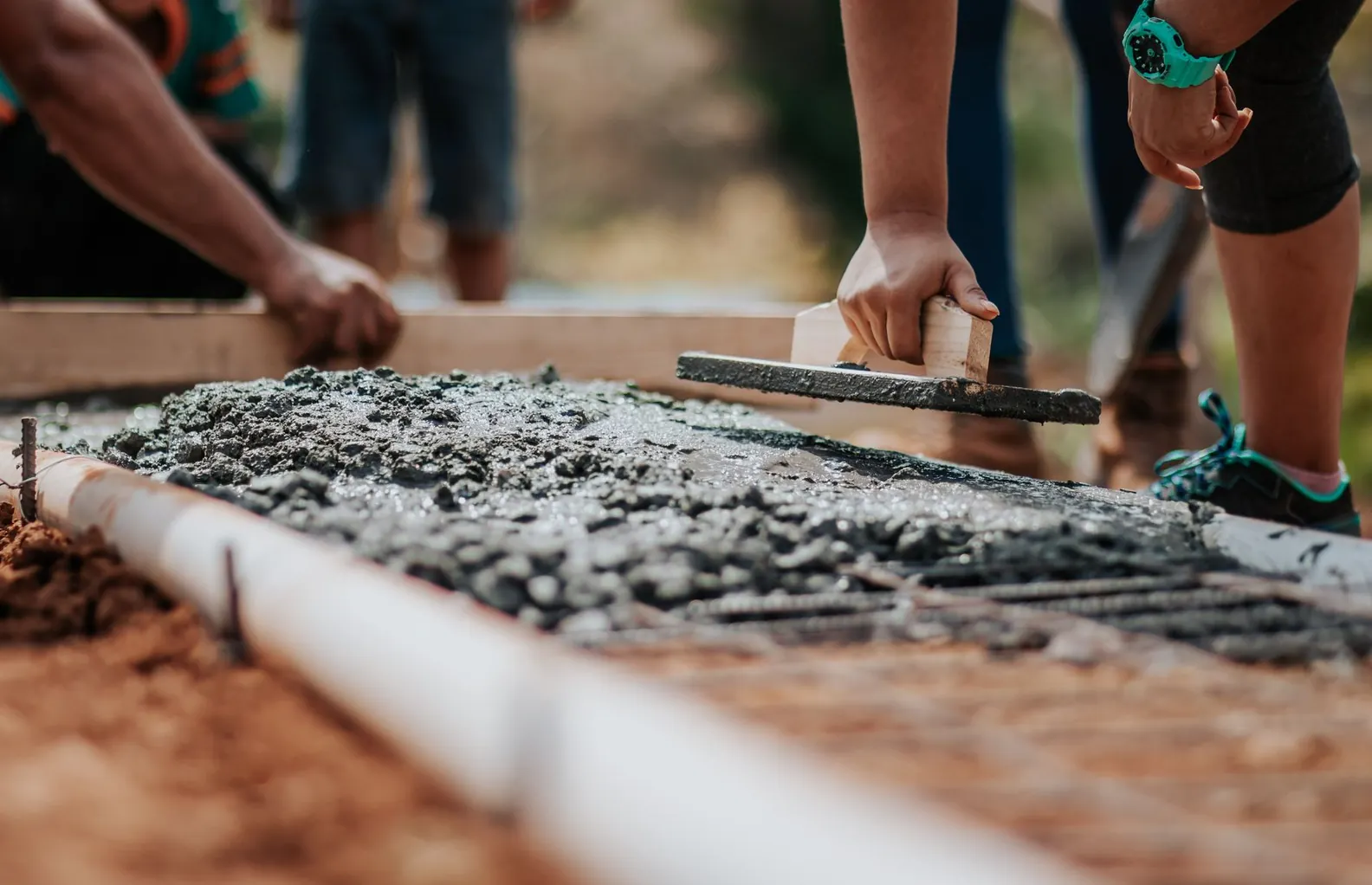
New Garage Floor Slabs
Garage slabs torn out and repoured on a compacted base, with a vapor barrier and joints planned for coating later.
More on new garage floor slabs
Service area
Concrete Sealing in these towns
We quote concrete sealing for homes and shops in these towns:
Salt Lake County
Tooele County
Free quotes on concrete sealing
Send the garage size and what's on the floor now, and a free quote follows with the prep explained.